Every year, individuals, households, and businesses around the world participate in Earth Hour by switching off non-essential lights for one hour. Organised by the World Wide Fund for Nature, the movement began as a symbolic gesture to raise awareness about climate change and environmental protection.
In Singapore, Earth Hour Singapore, led by WWF-Singapore, encourages communities and businesses to reflect on the environmental impact of everyday habits. While the one-hour switch-off is symbolic, its deeper message is far more powerful: sustainability is not defined by a single moment, but by the choices we make every day.

Earth Hour demonstrates how small individual actions can grow into a global movement. When millions of people participate together, the act of switching off lights becomes a shared reminder of our responsibility to care for the planet.
However, lasting environmental progress requires more than symbolic gestures. Real impact comes from the systems and habits that shape our daily lives, including how products are designed, produced, and consumed.
A significant portion of the environmental impact associated with modern lifestyles comes from routine consumption, including packaging, disposable products, and materials used in food and retail services. These items are often used briefly but remain in waste systems long after their purpose has been fulfilled.
Reconsidering the materials used in everyday products is therefore an important step toward reducing environmental impact. By exploring renewable materials and designing products with sustainability in mind, businesses can reduce waste while maintaining the convenience that modern lifestyles demand.
At Ecorigin, we believe sustainability begins at the source. Headquartered in Singapore, we combine advanced manufacturing capabilities with innovative research and development to transform renewable biomass materials into next-generation sustainable packaging solutions.
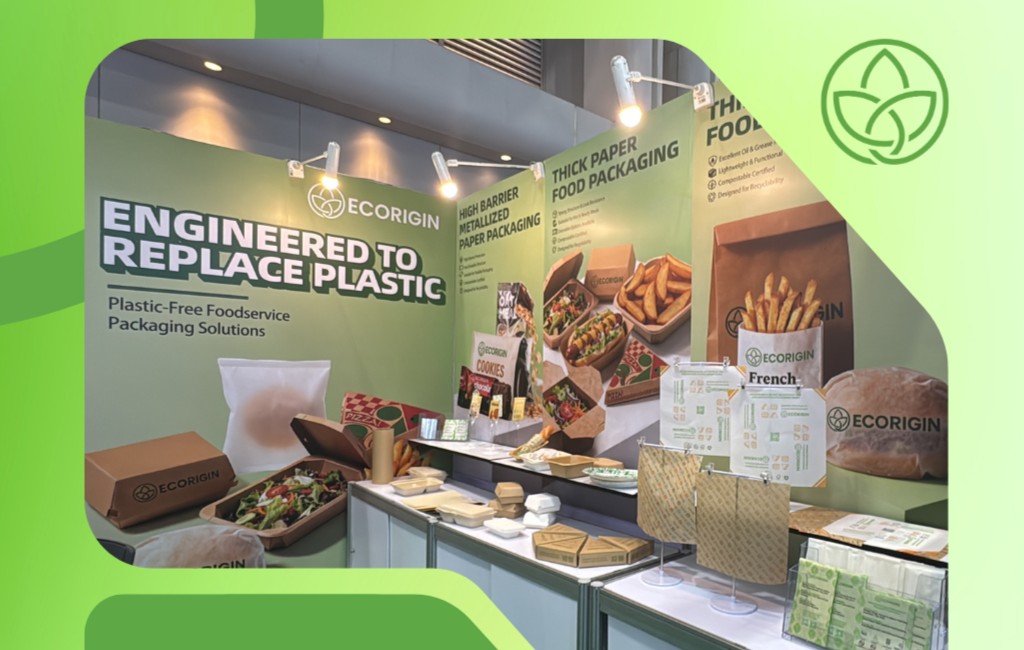
Our product range includes tableware made from wood pulp and sugarcane bagasse, biomass-based coating paper food bags and containers, high-barrier aluminized paper packaging, and bioplastics. These materials offer practical alternatives to conventional single-use products while helping businesses reduce their environmental footprint.
Beyond material innovation, we also work with businesses and organisations to support recycling initiatives and strengthen waste management practices. Through supply chain collaboration and resource recovery efforts, we aim to minimise waste across product lifecycles and logistics operations while contributing to a more circular economy.
Earth Hour reminds us that meaningful environmental change is built through consistent, everyday choices. From the energy we use to the materials we rely on, each decision contributes to shaping a more sustainable future. The lights may turn back on after an hour, but the commitment to sustainability can continue far beyond it.